
ウォーターポンプモーターのステーターとローターコアは、液体または空冷ハウジングなどの冷却システムとどのように相互作用して、集中的な運転中に最適な温度バランスを維持しますか?
-
熱伝達効率と熱放散のダイナミクス :
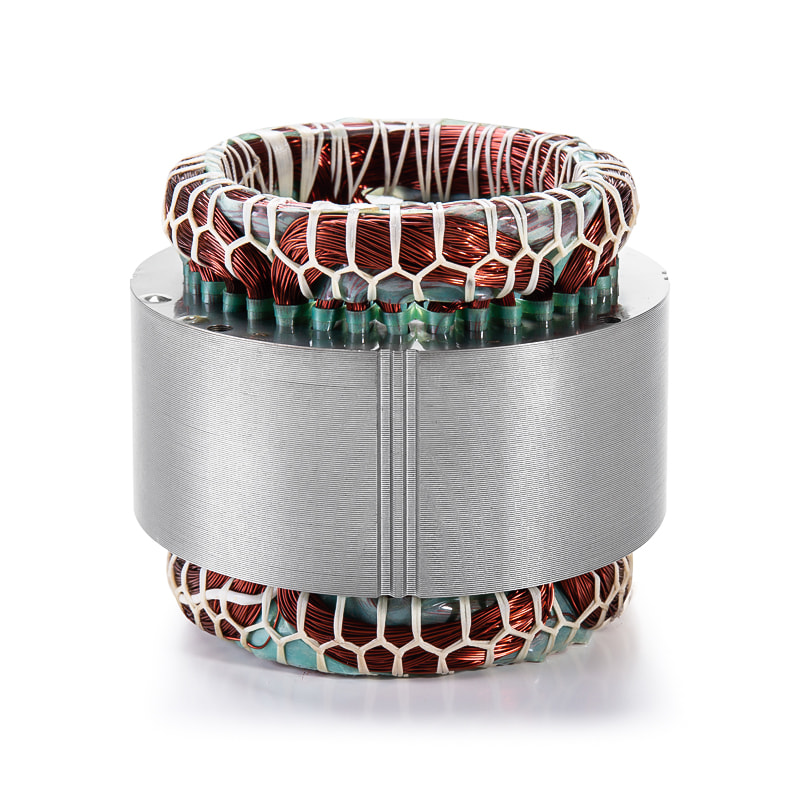
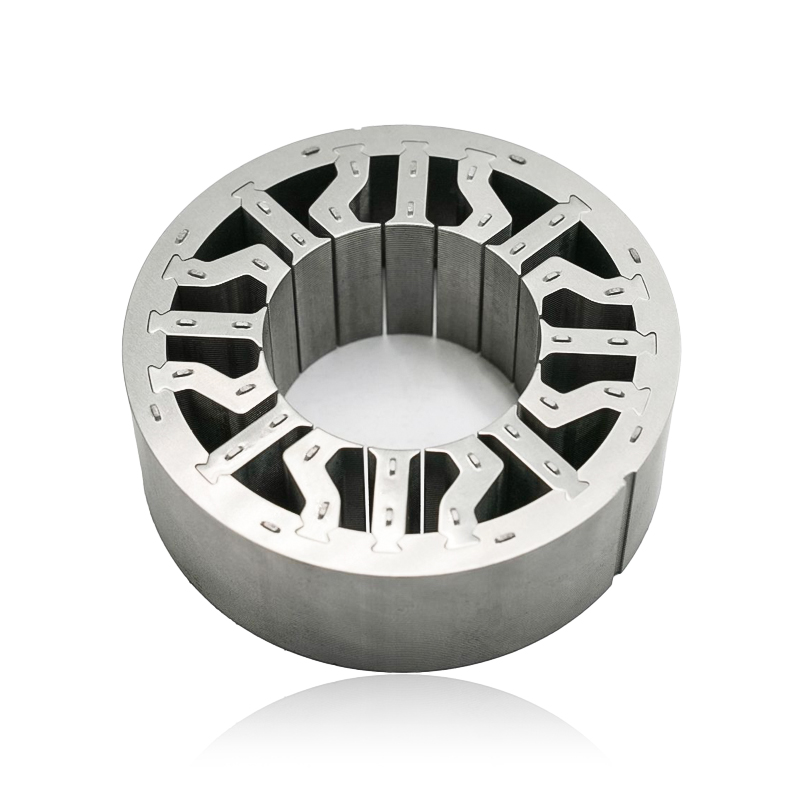
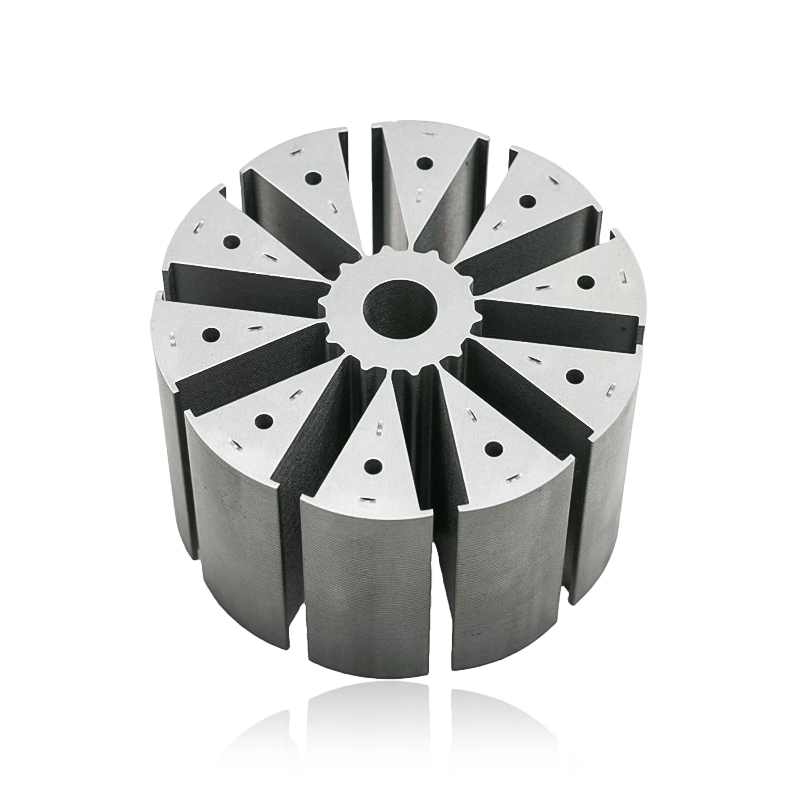
の ウォーターポンプモーターのステーターとローターコア 磁場の励起と電流の流れの間に生成される熱に継続的にさらされます。減磁や絶縁劣化を防ぐには、効率的な放熱が不可欠です。コアは優れた熱伝導率を備えた高品質の積層シリコン鋼で構成されており、磁気回路からの迅速な熱伝達を保証します。液冷ハウジングと組み合わせると、冷却剤が高温ゾーンに直接接触する統合チャネルを通って流れ、均一な熱分布が促進されます。空冷システムでは、最適化された換気経路と熱放散フィンを組み込むことで、ステーターとローター アセンブリの周囲の空気の流れを最大化することができます。その結果、温度勾配が制御され、熱ホットスポットが防止され、モーターの均一な磁気性能が維持されます。 -
冷却経路の設計とエンジニアリング :
の layout of the cooling system determines how effectively the Water Pump Motor Stator and Rotor Core can maintain stable operating temperatures. In liquid-cooled designs, internal cooling jackets or spiral channels are positioned close to the stator windings and rotor shaft to ensure efficient convection and minimize heat accumulation. Advanced computational fluid dynamics (CFD) modeling is often employed to simulate flow velocity, turbulence, and temperature gradients within these channels. For air-cooled configurations, engineered fan systems or forced ventilation ducts are designed to direct air evenly across the stator slots and rotor periphery, reducing localized heating and maintaining consistent motor torque. The overall goal of both designs is to preserve the electromagnetic balance and reduce mechanical strain caused by temperature variations. -
材料の適合性と熱膨張の調整 :
の interaction between the Water Pump Motor Stator and Rotor Core and the cooling system materials must account for differences in thermal expansion. The motor components, including laminations, copper windings, and insulation layers, expand at varying rates under heat. Improper management of these differences can lead to mechanical stress, misalignment, or even cracking. Engineers use precise material selection and dimensional tolerances to ensure that all parts expand uniformly under operational temperatures. Thermal interface materials (TIMs) and specialized adhesives with high thermal conductivity but low expansion coefficients are used between the stator core and cooling surfaces to facilitate consistent contact and reduce vibration-related heat buildup. This balance prevents mechanical deformation and ensures the rotor’s concentric alignment with the stator bore remains intact throughout operation. -
電磁および磁束の安定性の維持 :
の magnetic efficiency of the Water Pump Motor Stator and Rotor Core is directly affected by temperature. As temperature increases, magnetic permeability may decrease, resulting in reduced flux density and lower torque output. An effective cooling system stabilizes these thermal conditions, allowing magnetic domains to maintain consistent alignment. This stability translates to uniform torque generation, reduced electrical losses, and minimal rotor imbalance. Modern insulation coatings on stator laminations help reduce eddy current losses by maintaining electrical isolation even under elevated temperatures, further supporting electromagnetic efficiency. -
高度な熱監視および制御システムとの統合 :
ウォーターポンプモーターのステーターとローターコアの信頼性を高めるために、最新のモーターシステムではステーター巻線とハウジング内に熱センサーと制御電子機器が組み込まれています。これらのセンサーは複数のポイントで温度を常に監視し、データをリアルタイム制御アルゴリズムに供給します。過剰な熱が検出されると、システムは冷却剤の流量またはファン速度を増加させることによって冷却強度を自動的に調整し、熱平衡を回復します。高性能アプリケーションでは、予測熱制御アルゴリズムにより、負荷条件に基づいて潜在的な過熱傾向を予測し、冷却を事前に調整できます。このインテリジェントなフィードバック ループにより、エネルギーの無駄や不必要な機械的磨耗のない一貫したパフォーマンスが保証されます。
前の記事
発電機モーターのステーターとローターコアの歯とスロットの形状は、磁束分布とトルク出力にどのような影響を与えますか?
次の記事
鉄道輸送モーターのステーターとローターコアは、鉄道輸送モーターシステムの騒音と振動の低減にどのような影響を及ぼしますか?
関連ニュース
-
とは何ですか ステーターコアとローターコア ? ステーターコア あ ステーターコア です 静止した 電気モーターの部品。これは銅の巻線を収容する部分で、電流が流れると磁界を生成します。この磁場はローターと相互作用し、ローターを回転させます。ステータコアは通常、薄いシートの積み重ねから構築されます。 積層鋼 または、より複雑な...
See Details -
はじめに 現代の自動車は複雑な機械であり、その進化はあらゆるコンポーネントの継続的な革新によって推進されてきました。内燃エンジンは 1 世紀以上にわたって業界を支配してきましたが、電動化への移行により、電気推進の心臓部であるモーターが新たに重視されるようになりました。自動車モーター、特に電気自動車やハイブリッド自動車で使用されるモーターはエンジニアリングの驚異であり、その効率と性能は自...
See Details -
電気自動車モーターのローターおよびステーターコアの材料選択の重要性 電気自動車 (EV) モーターの設計において、材料の選択はモーターの性能、効率、重量、および全体のコストに影響を与える極めて重要な要素です。 EVモーターの多くの部品の中で、 ローター そして ステーター コアはモーターの電磁場と直接相互作用して電気エネルギーを機械動力に変換するため、特に重...
See Details -
自動車用モーターのステーターコアとローターコアの紹介 電気自動車とハイブリッド電気自動車の人気の高まりにより、自動車技術は大幅に進歩しました。これらの車両の中心には、 自動車モーターのステーターおよびローターコア 、電気モーターに不可欠なコンポーネントです。これらのコアは、電気エネルギーを機械エネルギーに変換する上で重要な役割を果たし、最終的に車両...
See Details